Day Trip: Lisbon to Setúbal (Seafood, Arrábida, and a Simple Plan)
Setúbal is an underrated day trip from Lisbon for seafood lovers, coastal scenery, and an easy local-city vibe. Here's how to plan a relaxed day without overdoing it.
Jolie Dang
Founder, Jolie in Lisbon
Setúbal doesn't get the attention it deserves. While everyone rushes to Sintra and Cascais, this working port city an hour south of Lisbon sits at the gateway to the most beautiful stretch of coastline in mainland Portugal - the Arrábida Natural Park - and has some of the best and most affordable seafood you'll eat anywhere near the capital. I think of it as Lisbon's best-kept day trip secret.
Why go to Setúbal?
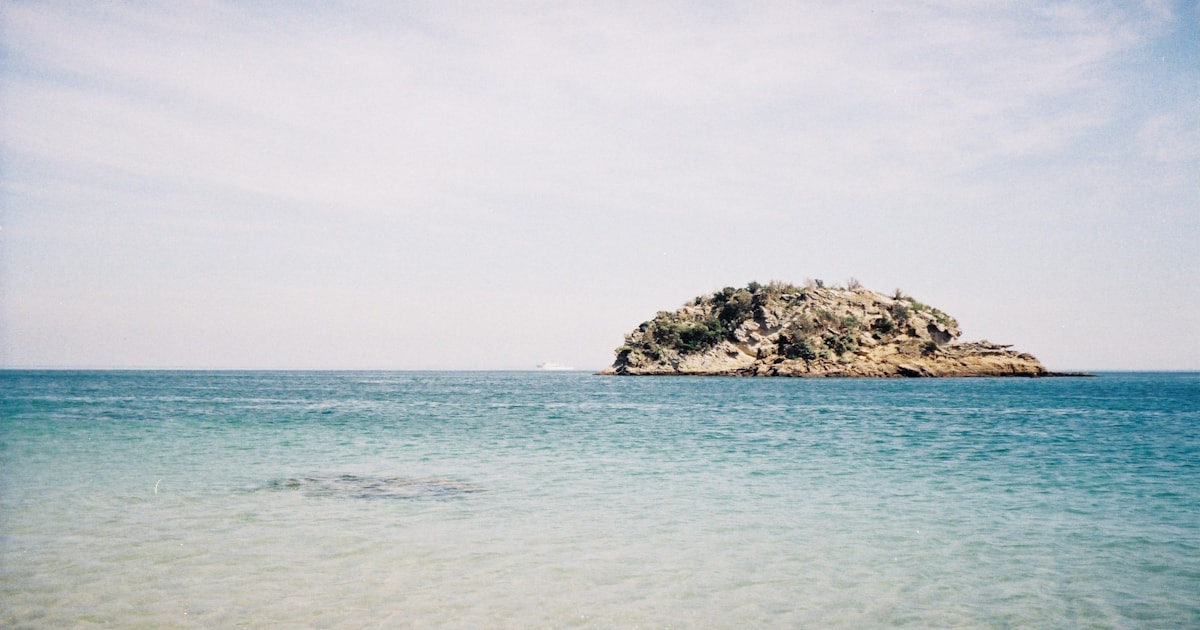
The honest draw is threefold. First, Arrábida: dramatic limestone cliffs plunging into water so clear and turquoise it looks Mediterranean. The beaches here - Portinho da Arrábida, Galapinhos, Galapos - are among the finest in mainland Portugal, and they're barely an hour from Lisbon. Second,seafood: Setúbal has a legitimate culinary speciality in choco frito (fried cuttlefish), and the fish market on the waterfront is the real thing. Third, the lack of crowds: compared to the tourist-circuit day trips, Setúbal is blissfully unbothered. You'll see Portuguese families, local fishermen, and very few tourist groups.
The city itself has a pleasant historic centre and a fort with views, but the real reason to come is the combination of good food and extraordinary nature close by. If you can only do one day trip from Lisbon that involves beaches, make it this one.
Getting there from Lisbon
By car (strongly recommended if you want Arrábida)
Driving from Lisbon to Setúbal takes around 45 minutes on the A2 motorway south, crossing the 25 de Abril Bridge. This is the option I'd recommend - not just for convenience, but because you cannot access the best Arrábida beaches without a car (or a taxi, more on that below). The beaches inside the natural park have no bus access.
Important summer restriction: In summer (roughly June to September), private vehicles are not allowed into the Arrábida Natural Park between the beaches without a parking permit, which must be booked in advance at visitarrabida.pt. The system is there to prevent the park being overwhelmed, and it works well. If you're going in summer, book the permit before you travel - permits sell out, especially on weekends. Outside summer, you can generally drive in freely.
By bus (for Setúbal city only)
If you just want to visit Setúbal city and don't need to access the Arrábida beaches independently, you can take a Rede Expressos bus from Lisbon (departing from Sete Rios or Praça de Espanha). The journey takes around 1 hour and costs approximately €8. Buses run regularly throughout the day. From Setúbal city you can then take a taxi to the Arrábida viewpoints or the Portinho da Arrábida beach area - expect to pay around €15–20each way, and make sure you arrange the return before the driver leaves.
The Arrábida Natural Park
Arrábida is the star of the show, and it deserves its own section. The park covers a ridge of limestone mountains running parallel to the coast, dropping almost vertically into the sea. The rock is pale and dramatic; the water below it is startlingly clear - genuinely, almost unnervingly clear, the kind of turquoise you usually only see in photos of the Greek islands.
The beaches are backed by cliffs and accessible only via steep, winding roads (or by boat). The most famous are Portinho da Arrábida (the easiest to reach, with a small beach, restaurants, and calm water ideal for snorkelling) and Galapinhos (more remote, wilder, and consistently rated among the best beaches in Portugal). There's also Galapos, which is slightly larger and has good facilities.
The water is warm in summer by Atlantic standards - usually around 20–22°C by August - and the clarity makes snorkelling genuinely rewarding. If you have fins and a mask, bring them. You can rent equipment at Portinho da Arrábida for around €5–8.
Serra da Arrábida drive
Even if you don't go down to the beaches, the drive along the EN379-1 road that runs along the top of the serra is spectacular. There are pull-offs for photographs, and the views of the cliffs, the Setúbal estuary, and - on clear days - the Tróia peninsula on the opposite shore are extraordinary. Allow 30–40 minutes just for this drive.
What to do in Setúbal city
Mercado do Livramento
The city's covered market hall, a 10-minute walk from the bus station or waterfront. The interior walls are decorated with large azulejo tile panels depicting scenes of fishing and local life. It's one of the finest market buildings in Portugal and most visitors drive straight past it - don't make that mistake.
The fish section is the main draw: you'll see fresh fish and shellfish laid out on ice, and the prices are half what you'd pay in Lisbon. It's primarily a morning market (open from about 7am until 1pm), so visit before lunch. Even if you're not buying, it's worth 20 minutes of your time.
Castelo de São Filipe
A 16th-century star fort on the hill above the city, built by Philip II of Spain (Philip I of Portugal) during the Iberian Union period. The views over the Setúbal bay, the Tróia sandbar, and the Arrábida mountains are excellent. It now operates as a pousada (a state-run heritage hotel), but the grounds and chapel are open to visitors. Entry to the viewpoint is free. The chapel inside has lovely azulejo tiles.
The historic centre
Setúbal's centre is compact and pleasant. The main pedestrian street, Avenida Luísa Todi, runs along the waterfront and is lined with cafés and shops. The Igreja de Jesus(Church of Jesus) near the centre is notable for being one of the earliest examples of Manueline architecture in Portugal, predating even the famous Jerónimos Monastery in Lisbon.
Moscatel de Setúbal
You cannot come to Setúbal without acknowledging its wine. Moscatel de Setúbal is a fortified sweet wine made from muscat grapes grown on the Setúbal Peninsula. It's been produced here for centuries and has a Denominação de Origem Controlada (DOC) designation - Portugal's equivalent of an appellation.
It's luscious, amber-coloured, and tastes of apricot, honey, and orange blossom. The most famous producer is José Maria da Fonseca, who has a winery in nearby Azeitão with tastings and tours. But you don't need to visit the winery - any local supermarket or wine shop in Setúbal sells good Moscatel for around €8–15 a bottle. Buy one to take home. It's one of Portugal's most underrated wines.
Where to eat: choco frito and seafood
Choco frito - fried cuttlefish - is the local dish of Setúbal, and it is genuinely better here than anywhere else in Portugal. The cuttlefish are caught locally, cut into thick strips, seasoned, and fried until golden and crisp. Served with lemon, chips, and a cold beer, it's one of the most satisfying lunches you can have in the region.
Look for restaurants on and around Rua Alexandrino Branco and the waterfront for good seafood. Restaurante Bocage and O Capas are local favourites. Most set lunches (menu do dia) include soup, a main course, and a drink for around €10–12. À la carte is more expensive but still reasonable - a grilled fish main with sides is usually €14–18.
If you're going to Arrábida and want lunch on the beach, Restaurante Borda d'Águaat Portinho da Arrábida is well-regarded for fresh fish - expect to pay more (mains around €18–25) but the setting is hard to beat.
Full itinerary
8:30am - Leave Lisbon
By car, you'll arrive in Setúbal by about 9:15–9:30am. By bus from Sete Rios, check the first morning departure (usually around 7:30–8:30am) and plan to arrive by 9am.
9:30am - Mercado do Livramento
Go straight to the market while it's at its busiest and best. Walk the fish section, admire the azulejo tiles, grab a coffee at one of the stalls inside.
10:00am - Historic centre and Igreja de Jesus
A 30-minute stroll through the historic streets. The church is worth 15 minutes inside.
10:45am - Drive to Arrábida (or take a taxi)
Head into the park for the morning. If driving, take the scenic road over the serra for views, then descend to Portinho da Arrábida or Galapinhos. If you have a beach permit, park at the beach; otherwise park above and walk down (about 15 minutes on a steep path).
11:30am – 1:30pm - Beach time at Arrábida
Swim, snorkel, or just lie on one of the best beaches in Portugal. Don't rush this part.
2:00pm - Lunch (Portinho da Arrábida or back in Setúbal)
Eat at the beach restaurant if budget allows, or drive back to Setúbal for better value. Order the choco frito.
3:30pm - Castelo de São Filipe
Walk up to the fort for the views. 30–45 minutes is enough.
4:30pm - Pick up Moscatel and head home
Stop at a supermarket or wine shop for a bottle of Moscatel de Setúbal. Back in Lisbon by around 5:30–6pm by car, or catch an evening Rede Expressos bus.
What NOT to do
- Don't try to access Arrábida beaches in summer without a permit. Cars are turned back at the checkpoint. Book at visitarrabida.pt before you go.
- Don't skip the market. Mercado do Livramento is one of the best market buildings in Portugal and most visitors miss it entirely.
- Don't leave without trying choco frito. It's the reason locals eat in Setúbal when they could go anywhere.
- Don't assume buses can get you to the beaches. If you want Arrábida, you need a car or a taxi. There is no public bus service to the beaches inside the park.
Practical tips
- Summer beach permits for Arrábida must be booked at visitarrabida.pt. Book as early as possible - popular dates sell out weeks in advance.
- Snorkelling gear: Bring your own if you have it. The water visibility at Portinho da Arrábida is exceptional - 10–15 metres on a good day.
- Moscatel de Setúbal: The José Maria da Fonseca winery in nearby Azeitão offers tours and tastings if you want to go deep on this.
- Best season: July and August for beach weather; May, June, and September for smaller crowds and still-warm water. The city and market are worth visiting year-round.
- Tróia: If you have extra time, the Tróia peninsula across the estuary has long Atlantic beaches and Roman ruins. A ferry from Setúbal takes 15 minutes (€2.20 each way). It adds a whole other dimension to the day if you're staying late.
You would also like
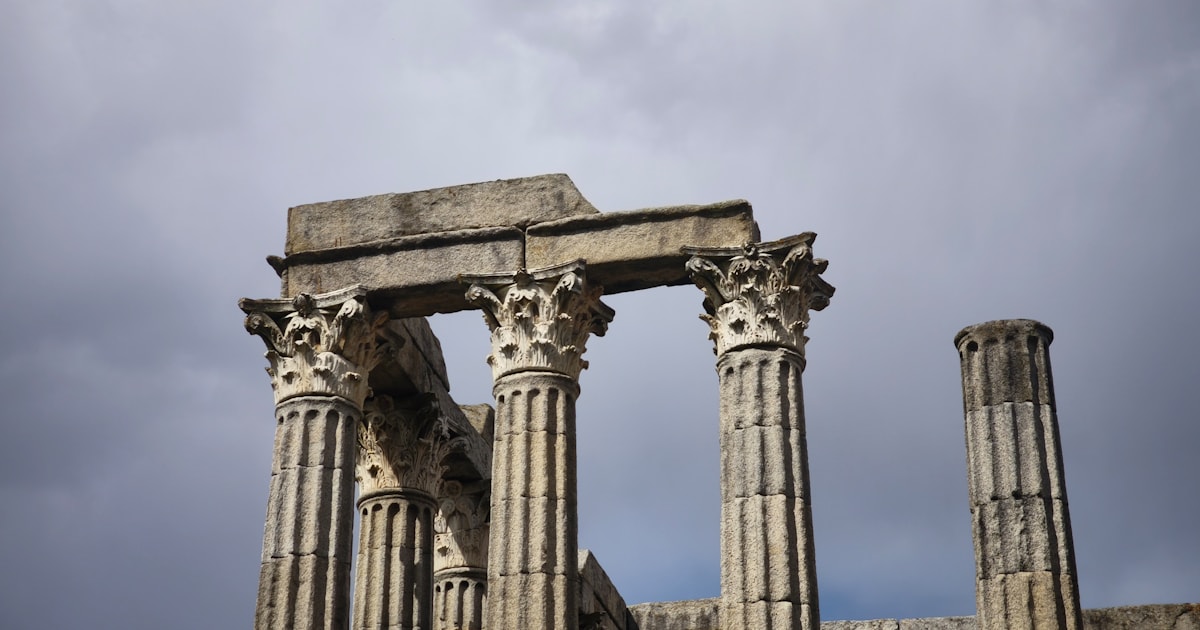
Day Trip: Lisbon to ?vora (Easy Itinerary + Transport Tips)
?vora is one of the best day trips from Lisbon for history lovers?Roman ruins, whitewashed streets, and Alentejo vibes. Here?s how to do it as a stress-free day trip.
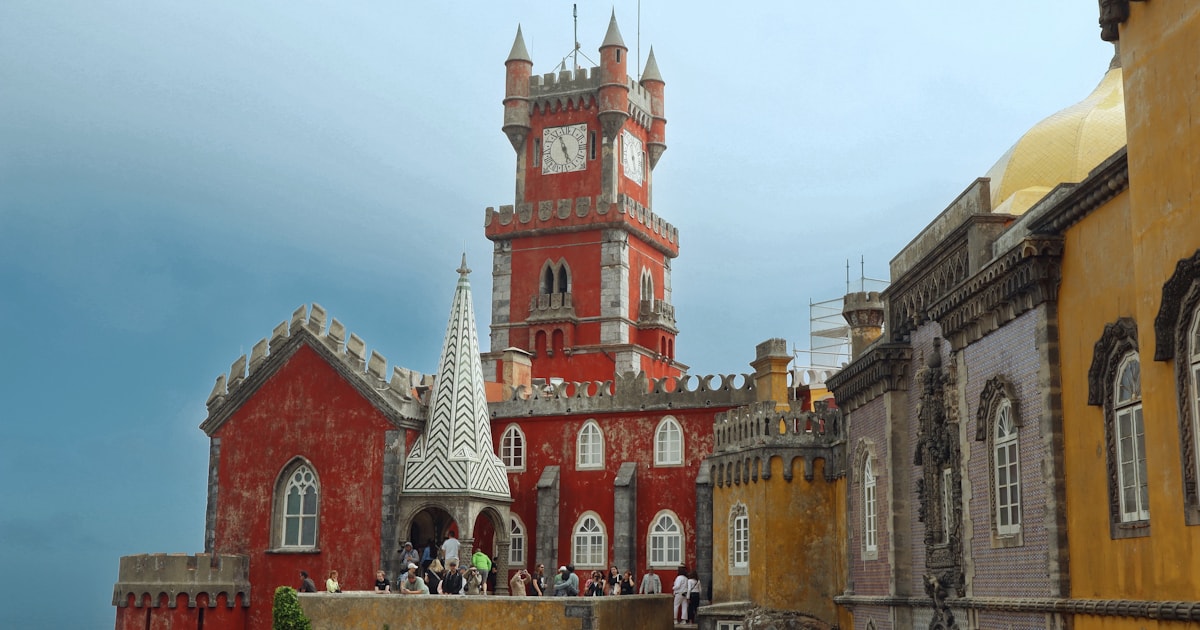
Day Trip: Lisbon to Sintra (How to Do It Without Stress)
Sintra is magical?but it can be chaotic if you arrive at the wrong time. Here?s the easiest way to plan a day trip from Lisbon: timing, transport, and a realistic itinerary.

Day Trip: Lisbon to Mafra + Ericeira (Palace + Surf Town Combo)
Combine culture and coast in one day: Mafra?s impressive palace and Ericeira?s relaxed surf-town vibe. Here?s a simple plan and what to prioritize.
Ready to explore Lisbon?
Download my complete Portugal Travel Planner with insider tips, neighborhood guides, restaurant recommendations, and practical checklists for your Lisbon adventure.
Download Free Planner